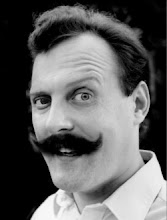
Swimming Upstream - Sam Longoria Hollywood Historian Oscar Party
Dorothy Wilhelm hosts a Variety Talk show, in this day and age! It's called, "Swimming Upstream," because you meet the most interesting people there.
Dorothy Hosts her show, from all over! There are many segments and topics.
One of the segments is by Sam Longoria, "The Hollywood Historian," himself! Sam knows all about Hollywood - for decades, and through intensive study. Sam reads many books, and some are very old.
Sam has been on many shows, and has worked on many big-budget Hollywood movies, and we'll bet you've seen many of them. Sam is proud to be a part of Hollywood.
"It's my home town, and it's yours, too - if you are Creative, and you make movies, and you spend a good deal of your time, happily entertaining people.
Especially if you really could be better paid by letting others entertain YOU. " Sam laughs.
"How do you get started entertaining people?" we ask Sam.
"It's more important to know how to stop," Sam says.
"Don't stop all at once," says Sam. That can be dangerous! Always come to a graceful gliding stop, and then make a beautiful dismount."
We'll remember that, Sam!
Every year, Sam goes to an Oscar Party. Sometimes, it's a place with happy people, all watching the Oscars that year.
Other times, it's actually AT the Oscars, and famous people dance to music, and make jokes, and sing new music from movies. Too cool!
This year's Oscar Party actually is ON Dorothy Wilhelm's radio show, "Swimming Upstream," and Sam Longoria tells the history of the most recent Oscars and the long tradition of the Academy Awards.
He looks happy, doesn't he?
Sam says the Oscars are his Happy Place, and they always have been. He says he loves to announce and narrate parts of Dorothy's shows, too. Another good one is "It's Never Too Late."
Back to you, Dorothy!
Sam Longoria Hollywood Historian
Sam Longoria Filmmaking Blog
Dorothy Wilhelm It's Never Too Late
Dorothy Wilhelm Swimming Upstream


Saturday, February 09, 2019
Just beautiful.
The "fishin' hole" title sequence was shot at the Hollywood Reservoir,
one of the first things I wanted to see when I got to town.
Ron Howard Teaches Directing
Sunday, July 08, 2018
Gordon Ramsay Masterclass - Cooking - Master Chef
Gordon Ramsay Masterclass - Cooking - Master Chef

I had no idea who he is, but a couple episodes in, I see now why he's a star. He's like the culinary Lone Ranger.
"Who was that assertive and remarkably profane British man?"
I only wish somebody like Gordon had chewed out the occasional micro-manager and martinet, for whom I've worked. Gordon gets it, lives and teaches it episodically.
His message, to a stream of clueless or delusional hotel/restaurant owners or managers:
Assemble your best team, and motivate them. Then get out of their way, and let them do their jobs.
Assemble your best team, and motivate them. Then get out of their way, and let them do their jobs.
gordon ramsay masterclass
This post contains affiliate links and I will be compensated if you
make a purchase after clicking on my links. Bless you. Gesundheit!
make a purchase after clicking on my links. Bless you. Gesundheit!
Sunday, December 31, 2017
Florida's Fun Couple
Florida's Fun Couple
Brian Scott Phraner and Darylyn Phraner
 Today is Brian and Darylyn's 24th Anniversary!
Happy Anniversary 24, Brian and Darylyn!
Every day is an Adventure!
So much fun with them in Orlando, Florida.
They saved my life at least once, and
then we had a great visit.
It's always great to see their smiling faces,
now in Darylyn's Phabulous Phraner Photos!
Florida's Fun Couple
Saturday, August 26, 2017
David Mamet Masterclass Review - Is It A Scam?
DAVID MAMET MASTERCLASS REVIEW - IS IT A SCAM?

Review by Sam Longoria
There has never been a better time in the history of the world to be a Screenwriter. Today all the movies in the world are on YouTube. You can look at movies all day long as reference, if you want to.
You can E-Mail, Facebook, Twitter, Instagram, anyone on the surface of the planet for guidance, or advice, or even a structured Mentorship.
Here’s where a seasoned Professional Viewpoint will help you understand what actually you are trying to accomplish, with your story and your screenplay.
If you want to find, and approach, and then learn from a seasoned Screenwriting Professional, it would be good if his work is celebrated, and he has picked up an Award or two. I am thinking here of the Pulitzer Prize.
By those criteria, it would be difficult to find a Screenwriter in higher esteem than David Mamet.
In any review, a good and standard bit of advice is, “do your due diligence.” Look for other’s opinions and put them to service, in forming your own opinion. Get out there, do your homework. Any money you earmark toward it is an investment, so shop, shop, shop!
The Masterclass is an excellent brand. For Actors, Dustin Hoffman teaches Acting, Werner Herzog teaches Filmmaking, and Steve Martin teaches Comedy. Many other experts, each teaches his own particular field.
Today, I’m here to tell you about “David Mamet Teaches Dramatic Writing.”
Mr. Mamet has written 17 books, 29 screenplays, and 36 plays. He has directed 11 films, some of which are my own favorites, like “House of Games,” “Things Change” and “State & Main.” His credentials are solid, he is a recognized authority, and the chance to learn from him is, in my view, most worthwhile.
The Masterclass videos have several levels: The video itself, a community discussion arrangement, the class structure to process the Interactive Assignments, and an “office hours” setup, where you can query Mr. Mamet himself, and receive an answer.
The class will be achieved over six weeks, at a cost of $90. Compared to a Film School at $20,000, or any number of higher-priced college courses or institute seminars, it is a remarkable value.
For $90 you get about six hours of video, to be seen and reviewed, as often as you like. That’s about $15 a week. If you bought a ticket to a David Mamet lecture to cover some of the same material (and they won’t let you record it), that alone is a serious improvement.
Mr. Mamet starts with the basics, at the very beginning of Literature and Drama, at Aristotle’s Poetics! I read it in college, and now that I’m older and know more, it is wonderful to see how it actually relates to the movies and screenplays that I love.
My years in Hollywood, and working on others’ and my own films during those years, have taught me the importance of a good script. "If it ain't on the page, it ain't on the stage."
I value simplicity and what is a good Screenwriting class. This one is good. All the elements, and their underlying principles. It’s all here. And you can back up and replay, until you get it, which in real life only tends to annoy instructors in a classroom.
Mr. Mamet begins by discussing his theory of Drama and its rules. “The story has a Premise, and a Hero. The Hero wants something, just one thing. That is his Objective. He has to go through Hell to get to it. Once he achieves his objective, the movie is over."
He says that Structure dictates that every scene must be necessary to the play, and every word of the Dialogue must be necessary to move the story along. Or else, out it should go. What is the purpose of Drama? Mr. Mamet is very clear. The purpose of Drama is to hold attention, and fill the Audience with curiosity, as to what happens next.
He says, “The purpose of Drama is not to make people better, or to teach. It is not the purpose of drama to be cautionary tales." He says something I've not heard elsewhere, that the story must challenge the Writer, to the point where he doesn’t necessarily know the ending of his own story, or its resolution.
He says, "If you can't think your way out of it, the Audience can't either.” So, your job is to push past your own boundaries, write yourself into a corner, and then discover how your Hero can get out of it. That is the wonder that comes crafting your Writing, and to get good at it, is an Achievement.
I have heard some of this before. “If you think you can cut something, cut it," is standard, both relating to Film Editing and to cleaning out the refrigerator. Mr. Mamet says this is a lesson his Editor reteaches him by removing what usually is his favorite scene. That process actually is painful, but he says “there is only “one rule: Don't be boring."
No obligatory scenes, either! (Scenes which are there only because we expect them, like the scene where the characters stand in a room and describe the plan they have to follow, in order to save the world). Every scene must have the Hero’s attempt to achieve his goal. That goal, and that scene, must fit the overall structure. The Hero’s Journey — from Point A to Point B.
Every scene, of every play or film you write, must answer three questions:
1) Who wants what, and from whom?
2) What happens if he doesn't get it?
3) Why now?
Mr. Mamet says the Story must force a change in the Hero. “To manipulate the character is to manipulate the audience and I never manipulate the audience."
That may not be his intent, and I’m sure he probably wouldn’t call his Story Structure “manipulation,” but I sure have seen Mr. Mamet steer his Audience exactly where he wants them to go, even if it’s by causing a vacuum without comment, which leads rather than pushes them. I admire him for that, actually.
Class Assignments are clear and recognizable Screenwriting exercises. They require the Screenwriter to take actions which reveal his motives, and the forces which drive his Characters and Story.
Mr. Mamet has defined his Writing principles, and then refers to some of his most successful works, like “Glengarry Glen Ross,” Oleanna,” and “American Buffalo.” These now are in stark relief, and one can see how they were put together. Story and Structure, Dialogue, Action, and Exposition.
This is a good course, this is what you came here to learn. I think one of the strengths of it is, I felt I was in a room with Mr. Mamet, and he is intent on imparting to you what you want to know.
There's zero chatter or Audience distraction. We need to learn this to Write a great Screenplay, and here that is. What you need to know. Bing bang! It is most excellent.
Now, when I told friends I wanted to take this course, and learn from David Mamet, they said, in varying degrees of loudness:
“Why do you want to do that? These online class thingies are all a SCAM! They get your money, and you just hear some talk, and then you don’t really get anything. Everything there can be found for free on the Internet.”
Well, I took the course, and my friends did not. I know for sure what I learned is not found for free, unless one is privileged to sit at Mr. Mamet’s table at dinner for a series of evenings, and for some unknown reason, he tells you what you need to prevail, as his competition in a most competitive endeavor. That is, in my experience, most unlikely.
He said what he would teach, and he taught it to me. Entirely honest, in my view. Certainly not a scam. I didn’t discard my friends, but I know I’m better prepared for the Screenwriting game than they are. That is a hundred bucks well spent.
Here's my biggest Caveat Emptor: Know where you are now, and where you want to be, and with a few evenings of enjoyable video watching, and diligent follow-up you'll enjoy doing, Mr. Mamet will teach you what are the steps, and how to take them. He will teach you quickly and well.
Considering that your Screenplay, when it is purchased, is worth around $150,000 I think Mr. Mamet’s Dramatic Writing Course is a lot of value for only $90.
Mr. Mamet’s Screenwriting Course is linked here to
http://bit.ly/-david-mamet
david mamet
dialogue
masterclass
online course
scam
screenwriting
writing
This post contains affiliate links and I will be compensated if you
make a purchase after clicking on my links. Bless you. Gesundheit!
make a purchase after clicking on my links. Bless you. Gesundheit!
Monday, July 31, 2017
Margot Escott Interviews Sam Longoria on Movies, Improv, and The Firesign Theatre.
Margot Escott - Interviews Sam Longoria on Movies, Improv, and The Firesign Theatre.
 Sam Longoria interviewed by Margot Escott, Sam was in Hollywood, Margot was in Florida.
They chatted about fasting, Ghostbusters The Firesign Theatre Stan Freberg Bill Cosby
Donavan Freberg Richard Edlund George Lucas ILM 2010
keywords Sam Longoria samlongoria.com filmmaking film production
Keyword Planner samlongoria.com filmmaking film production 2017-08-02 at 04-37-37
academy award winners
academy awards
best director
director
greater movie
hollywood cinema
hollywood movies
los movies
movie editor
oscar award
oscar nominations
oscar nominees
oscar predictions
oscars best picture
screenwriter
the oscars
1920 movie
2014 oscar nominees
2016 oscar winners
8mm movie
academy award for best animated feature
academy award for best picture
academy award movies
academy award nominations
academy award nominees
academy award winners 2016
academy award winning movies
academy awards 2016
academy awards best picture
award winning movies
best film editing
best films
best movies ever made
best picture nominations
best picture oscar
best short films
china hollywood
creation movie
film companies
film crew
film director
film editor
film la
film producer
film script
film sitesi
film techniques
filmon tv
foreign movies
greatest movies
history of film
hollywood film
hollywood new movies
how long does it take to make a movie
how to write a screenplay
independent films
indie films
la movie
lafs
list of best picture winners
list of oscar winners
los angeles movie
make a movie
make movie
make your own movie
most oscar wins
movie director
movie film
movie producer
movies los angeles
new films
new hollywood movies
oscar award winners
oscar for best picture
oscar list
oscar movies
oscar movies 2016
oscar nominated movies
oscar nominated movies 2016
oscar nominations 2016
oscar nominees 2016
oscar winner
oscar winners 2016
oscar winners best picture
oscar winners list
oscar winning actors
oscar winning movies
oscar winning movies 2016
oscars predictions
sam online
school movies
screenplay format
screenplay writing
script writing
shooting movies
short films
the academy awards
the best movies ever
the producers movie
the world's most interesting man
tv producer
tv production
writing a screenplay
Sam Longoria interviewed by Margot Escott, Sam was in Hollywood, Margot was in Florida.
They chatted about fasting, Ghostbusters The Firesign Theatre Stan Freberg Bill Cosby
Donavan Freberg Richard Edlund George Lucas ILM 2010
keywords Sam Longoria samlongoria.com filmmaking film production
Keyword Planner samlongoria.com filmmaking film production 2017-08-02 at 04-37-37
academy award winners
academy awards
best director
director
greater movie
hollywood cinema
hollywood movies
los movies
movie editor
oscar award
oscar nominations
oscar nominees
oscar predictions
oscars best picture
screenwriter
the oscars
1920 movie
2014 oscar nominees
2016 oscar winners
8mm movie
academy award for best animated feature
academy award for best picture
academy award movies
academy award nominations
academy award nominees
academy award winners 2016
academy award winning movies
academy awards 2016
academy awards best picture
award winning movies
best film editing
best films
best movies ever made
best picture nominations
best picture oscar
best short films
china hollywood
creation movie
film companies
film crew
film director
film editor
film la
film producer
film script
film sitesi
film techniques
filmon tv
foreign movies
greatest movies
history of film
hollywood film
hollywood new movies
how long does it take to make a movie
how to write a screenplay
independent films
indie films
la movie
lafs
list of best picture winners
list of oscar winners
los angeles movie
make a movie
make movie
make your own movie
most oscar wins
movie director
movie film
movie producer
movies los angeles
new films
new hollywood movies
oscar award winners
oscar for best picture
oscar list
oscar movies
oscar movies 2016
oscar nominated movies
oscar nominated movies 2016
oscar nominations 2016
oscar nominees 2016
oscar winner
oscar winners 2016
oscar winners best picture
oscar winners list
oscar winning actors
oscar winning movies
oscar winning movies 2016
oscars predictions
sam online
school movies
screenplay format
screenplay writing
script writing
shooting movies
short films
the academy awards
the best movies ever
the producers movie
the world's most interesting man
tv producer
tv production
writing a screenplay
Monday, July 10, 2017
David Mamet - Teaches Dramatic Writing - MasterClass

David Mamet - Teaches Dramatic Writing - MasterClass
I first discovered David Mamet when I got onto his screening list, for his feature movie "House of Games," with Lindsay Crouse, Joe Mantegna, and Ricky Jay. Screenings were at MGM in Culver City.
I watched several iterations of his movie, dutifully filled out my audience cards from my arrogant young view as a Filmmaker and Editor, and was invited back, called by an Assistant, to see subsequent edits.
Before my wondering eyes, I saw his movie grow from the original tight straight linear story, to a more artful, lighter telling of the tale. Minor changes usually, but once I saw a whole section put into a different order, and the whole was quite improved.
I had built my improv theatre by that time, and all I knew of David Mamet was, if you got "David Mamet" as a style suggestion, the quickest way to a laugh was do a scene of foul language. That was our understanding of him.
Seeing the changes he made, in repeated viewings of his first commercial feature film as Director, gave me an entirely different view of him as an Artist. I more understood what he wanted to do.
Seeing what he shaved away, and what he carved off in chunks, showed me what he thought important, and what was inconsequential. I also went to screenings of his "State and Main," which also was excellent.
He definitely has an ear for Dialogue, and a clear view of how he wants it to serve his scenes. He doesn't put anything in, which doesn't push his story forward.
I am delighted Mr. Mamet has a video Masterclass. I know it will be good, and it will be insightful. Please tell me if you get into it, and how it helps you.
-- Sam Longoria
Improv
MasterClass
Master Class David Mamet
Joe MantegnaScript Writing
Teacher VideoOnline Classes
State and Main
Lindsay Crouse
House of Games
How To Be A Writer
How To Be An Actor
Glengarry Glen Ross
Writing Short Stories
Glengarry Glen Ross Play
David Mamet MasterClass
This post contains affiliate links and I will be compensated if you
make a purchase after clicking on my links. Bless you. Gesundheit!
make a purchase after clicking on my links. Bless you. Gesundheit!
Sunday, June 11, 2017
Movie Tech - When Did They Invent Gun Sound Effects For Movies?
Movie Tech
When Were Movie Gun Sound Effects Invented?
Vanessa, of Seattle Washington, asks:Pondering who invented the "sound" of gunfire?
Vanessa, The very first motion picture was driven by an electric motor, and had synchronized sound. Did you know that?
Unfortunately, Mr. Edison's Kinetoscope - Kinetophone (Camera - Projector) 1894 show, entitled "Dickson Experimental Sound Film," did not alas have gunshots in its track.
Commercial sound movies wouldn't be offered until 1929, but another popular medium - Radio - developed soundtrack production, all through the 1920s. Dramatic shows on radio often needed guns, BUT... gun sounds were problematic.
Gunshots are "impulse noise" which means "very suddenly very loud," and then the decay must match a room characteristic. Echo, reverb, etc.
That means "real" gunshots only POP weakly, like firecrackers, because they just shut down mics and electronics. It took a long while to learn to record them.
During development of Sound Movies, Mr. Jack Donovan Foley created the Art of "Post-sync recording," at Universal, in 1927. We still call "Performing sound effects live to picture" by his name - "Foley." If anybody invented movie "Gunshots," it was he.
Sound movies arrived in 1929, with Warner Brothers' "Don Juan" and "The Jazz Singer." When movie tracks needed guns, it was quickly noticed that the sound of REAL guns is flabby, ineffective, and weak.
Often, the Radio technique of hitting a cardboard box with a wooden slat was used, because its Attack was softer, a slow sound to simulate gunshots. They tried everything else. Hitting an oil drum, hitting a wooden box, etc.
For 1930s - 1940s Westerns, they recorded the sound of full-load blank cartridges, black powder rounds, making a softer sound than modern smokeless powder, and smaller (1/4 and 1/8 sized) powder loads.
When it became possible to edit sound effects, on optical film and then magnetic tape, sound was improved, and whole libraries were compiled. Each studio had its own jealously guarded Sfx (sound effects) library, on disc and tape and magnetic and optical film.
They recorded everything - Bullet striking flesh, bullets striking wood, bullets on pavement, bullet ricochet,etc. Gunshots, percussion cap weapons, machine guns, and automatic rifles.
For a long time, the best Sfx libraries available were the BBC Library, and the Valentino Brothers Library. I had both, and it was a big deal when they became available for sale.
Then three movies changed movie sound, and one could license their Libraries for use. All this changed seemingly overnight.
When Walter Murch created the sound (and the term "Sound Designer") for Francis Ford Coppola's "Apocalypse Now," he had to create all the location gunfire and other tracks, from scratch. All this great war footage - and it was all silent. Mr. Murch invented a way to record Foley...outside, to video playback.
They recorded guns, with modern mics and electronics, even the sound of spent brass cartridges, hitting the ground.
Then they equalized them, boosting the frequencies they wanted to hear. Dynamic range was controlled by careful electronic limiting. Suddenly guns sounded close-miked, big and fat, and more real then real.
Same thing happened with the Sfx for George Lucas's "Star Wars" movies (1977 - 1983) with Sound Design by Ben Burtt. I never heard such good sound effects, as were in those films.
"Raiders Of the Lost Ark" (1981) brought in newly recorded new guns, and movie gunfire and location effects now were fresh and exciting to listen to.
Ben Burtt and his crew cheated big guns over little ones, and for me, from "Apocalypse Now" to "Raiders Of The Lost Ark," THAT is where gunshots really started sounding great.
INDIANA JONES Sound Design Featurette part 1
INDIANA JONES Sound Design Featurette part 2
-- Sam Longoria
Thursday, April 06, 2017
THE EPIC JOURNEY OF BERTHA DEBLUES - Gina Wilhelm - Sam Longoria - Big Bertha's Big Breakthrough - Seattle Tunnel Boring Machine - @BerthaDeBlues Bertha Deblues
Big Bertha's Big Breakthrough - Seattle Tunnel Boring Machine - @ BerthaDeBlues Bertha DeBlues
New before/after photo highlights the changing
landscape at the tunnel’s future south portal.
Bertha DeBlues ryan @ryanrogers 6 Oct 2016
@BerthaDigsSR99 let's not get cocky just yet...
Bertha DeBlues @BerthaDeBlues 6 Oct 2016
That's right, a PLANNED stop.
Bertha @BerthaDigsSR99
Bertha reaches planned maintenance stop. Crews
have tunneled 4,721 ft. and built 717 concrete rings.
Bertha DeBlues @BerthaDeBlues 3 Oct 2016
Halfway through! Hey, @MarketMagicShop, can you help a girl out? #PrettyBalloons
Bertha @BerthaDigsSR99
By passing @pike_place, Bertha has reached the halfway
point of the 9,270-foot tunnel drive! #BalloonsOverBertha
Bertha DeBlues @BerthaDeBlues 20 Sep 2016
What a relief, I was afraid people would be taking tours behind my bum.
Bertha @BerthaDigsSR99
Spots are filling up for our free bike tours of the future tunnel route!
Explore on two wheels, through end of October.
Bertha DeBlues @BerthaDeBlues 15 Sep 2016
So take THAT!
Bertha @BerthaDigsSR99
Thurs. progress update: Seattle Tunnel Partners
has mined 4,222 feet and built 641 concrete rings.
Bertha DeBlues @BerthaDeBlues 13 Sep 2016
"On the Road Again..."
Or in front of and under it....
Bertha @BerthaDigsSR99
Bertha back on the move
Bertha DeBlues @BerthaDeBlues 4 Sep 2016
I see I am now followed by @TVWritersVault. Has anyone pitched a show about a sentient tunneler trapped under a city on a fault line? Dibs!
tunnel boring machine, bertha progress, sr 99 tunnel, freeway 99, sr 99, underground highway, seattle viaduct, seattle tunnel boring machine, big bertha, @berthadeblues,
bertha de blues, bertha deblues,
Scroll Down - Read Upward
THE EPIC JOURNEY OF BERTHA DEBLUES
Gina Wilhelm - Sam Longoria
4 Years To Travel 1.76 Miles! (2013-2017)
Cost $500 million!
Bertha DeBlues by Gina Wilhelm @BerthaDeBlues
Sam_Longoria by Sam Longoria @Sam_Longoria
No longer underground, but still tweetin'!
Sam Longoria @sam_longoria 21 minutes ago
Here to help
THE END
Bertha DeBlues @BerthaDeBlues 21 minutes ago
I'm SO free.
Bertha DeBlues @BerthaDeBlues 21 minutes ago
Dusty, rusty, and tired. But oh!
Sam Longoria @sam_longoria 12:56 PM - 5 Apr 2017
@TedLandK5 @BerthaDeBlues
Bertha! Good work, good job, you've actually Broken Through!
Lots of dust, lots of noise. How are you, Bertha?
Bertha DeBlues @BerthaDeBlues 29 minutes ago
What a long, strange trip it's been.
Seattle's tunnel boring machine Bertha reaches end of long, troubled journey
Bertha DeBlues @BerthaDeBlues 39 minutes ago
I'm reborn! I'm a born-again tunneler. I feel like going door-to-door.
Bertha DeBlues @BerthaDeBlues 39 minutes ago
I'm so cute, with my big head and little(ish) body!
Sam Longoria @sam_longoria 39 minutes ago
You're a reborn born-again, Birtha! @BerthaDeBlues!
Waaaaaaaaaaa!
Bertha DeBlues @BerthaDeBlues 41 minutes ago
Hinky!
Bertha @BerthaDigsSR99
Fun fact: #BerthaBreakthrough is happening on the
Alaskan Way Viaduct's 64th birthday.
Bertha DeBlues @BerthaDeBlues 3 hours ago
#IEndMyDayBy triumphantly emerging from the ground! #Howdyalikemenow
Bertha DeBlues @BerthaDeBlues 3 hours ago
Going!
Sam Longoria @sam_longoria 3 hours ago
Go go go, Bertha!
Bertha DeBlues @BerthaDeBlues 3 hours ago
What's the lesson
What is the take-away
Don't mess with Bertha when she's on the break-away
#BerthaBreakthrough #Moana
Bertha DeBlues @BerthaDeBlues 3 hours ago
Had my own darn #PrisonBreak today.
Bertha DeBlues @BerthaDeBlues 3 hours ago
BTW, where was the sun? I'm highly disappointed.
Sam Longoria @sam_longoria 3 hours ago
Go go, Bertha! @BerthaDeBlues
Bertha DeBlues @BerthaDeBlues 4 hours ago
Always lead with your chin.
Bertha @BerthaDigsSR99
Still can't see the cutter-head. The machine is rising at a 4 degree angle, so the bottom of the head will appear first. #BerthaBreakthrough
Bertha DeBlues @BerthaDeBlues 4 hours ago
I'm so close, I can FEEL it!
Bertha @BerthaDigsSR99
Contractor reports the cutter-head is about 1 foot from daylight. it remains very dusty in the pit. #BerthaBreakthrough
Bertha DeBlues @BerthaDeBlues 5 hours ago
Bertha's busting out all over!
Bertha DeBlues @BerthaDeBlues 18 hours ago
Ready or not, here I come! #berthabreakthrough
Sam Longoria @sam_longoria 3 hours ago
Go, Bertha! @BerthaDeBlues
Bertha DeBlues @BerthaDeBlues 20 hours ago
The end is near! Abandon all hope, ye who exit here!
The end is near for Bertha... @washtimes
Bertha DeBlues @BerthaDeBlues 20 hours ago
It'd be way easier to push a giraffe through that giant tunnel behind me. #justsaying
Marsh Ray @marshray
FB is having a race between a giraffe transiting
a birth canal and a tunnel boring machine.
@BerthaDigsSR99 @BerthaDeBlues
Sam Longoria @sam_longoria 3 hours ago
@BerthaDeBlues @KING5Seattle
ONE SIDE - SHE'S COMIN' THROUGH! GANGWAY! - STEP LIVELY! - #BERTHABREAKTHROUGH
Bertha DeBlues @BerthaDeBlues 18 hours ago
The future's so bright, I gotta wear shades. I hope. #scusemewhileiseetheskyforthefirsttimeinmonths #berthabreakthrough
Sam Longoria @sam_longoria 16 hours ago
@BerthaDeBlues @KING5Seattle
Hot plate! Comin' Through! Nothing to look at here, only the Biggest Boring Machine in the world! Make way! Make way for Bertha DeBlues!
Bertha DeBlues @BerthaDeBlues 22 hours ago
@sam_longoria @KING5Seattle
Hot soup!
Bertha DeBlues @BerthaDeBlues Apr 3
I can practically see the end!
Sam Longoria @sam_longoria 16 hours ago
@KING5Seattle @BerthaDeBlues
Well step aside, and let us see...
Bertha DeBlues @BerthaDeBlues 16 hours ago
@sam_longoria @KING5Seattle
And yet, they never talk to me personally. Who knows
what secrets I'm hiding?
KING 5 News liked a reply to you Apr 3
Bertha DeBlues @BerthaDeBlues Apr 3
Yeah, but I think @KING5Seattle may be serious this time.
At least, I hope so.
Sam Longoria @sam_longoria Apr 3
@BerthaDeBlues @KING5Seattle
That was 1989, and I'll bet they've had to fact-check and verify every little thing they've said, since then.
Sam Longoria @sam_longoria Apr 3
Of course, that's KING-TV 5, the station that said the Space Needle collapsed.
Sam Longoria @sam_longoria Apr 3
You have only 89 feet to go, Bertha! They say you're...almost...there!
Then you dig other projects.
Sam Longoria @sam_longoria Apr 3
The sequel has two tracks, so it is
stereotonous.
Bertha DeBlues @BerthaDeBlues 22 hours ago
How monotonous.
(Eartha Kitt sings "Monotonous.")
Sam Longoria @sam_longoria 25 hours ago
@BerthaDeBlues @KING5Seattle
That particular Troll is prepared. He has brought his Eartha Kitt.
Bertha DeBlues @BerthaDeBlues Apr 3
They don't already? I mean, besides the one eating a Volkswagen.
Sam Longoria @sam_longoria Apr 3
Moles and voles all live in holes, And party then with Bertha. Should moles and voles prefer...the knolls, Then TROLLS would dig the Eartha!
Bertha DeBlues @BerthaDeBlues Apr 2
Working. And partying with the moles.
Sam Longoria @sam_longoria Mar 30
"What is HE doing in the Chunnel?" And what are YOU doing, Bertha?
What on or under the Earth is going ON down there? What?
Bertha DeBlues @BerthaDeBlues Mar 3
"Everyone out of the Chunnel!"
Sam Longoria @sam_longoria Mar 2
Bertha's Favorite Movies, including Underground Hit "Chunnel."
Bertha DeBlues @BerthaDeBlues 20 hours ago
Check out my measurements!
Bertha @BerthaDigsSR99
Bertha is now 127 feet from the disassembly pit.
Bertha DeBlues @BerthaDeBlues Mar 31
The Internet definitely needs cat pictures.
At least, THESE cat pictures.
Sam Longoria @sam_longoria Mar 31
Maybe some encouragement today, Bertha?
To chew rocks into dust.
The most beautiful cat in the world.
Fizzgig 01
Fizzgig 02
Sam Longoria @sam_longoria 16 hours ago
@BerthaDeBlues @KING5Seattle @king5news
I meta bunch of 'em!
Bertha DeBlues @BerthaDeBlues 16 hours ago
@sam_longoria @KING5Seattle @king5news
And how many Berthas have you meta?
Sam Longoria @sam_longoria 23 hours ago
@BerthaDeBlues @KING5Seattle @KING5NEWS
It's GOOD you're meta, Bertha! I never meta Bertha I didn't like!
Sam Longoria @sam_longoria Mar 30
You ARE, Bertha. "Meta" is "self-referential," "beyond," or "beneath reality."
NO MORE beneath reality than YOU! I dig!
Bertha DeBlues @BerthaDeBlues Mar 30
@sam_longoria I am SO meta.
Sam Longoria @sam_longoria Apr 3
In the gravy,
He can sail the seven seas,
In the gravy,
He can put his mind at ease.
In the gravy, come on now people!
Bertha DeBlues @BerthaDeBlues Apr 2
But is he wavy?
Sam Longoria @sam_longoria Apr 2
I am so glad. I do prefer the one. Gravy explains
why he's hitting the sauce of late. And of early.
Swacked all day. Drowned.
Bertha DeBlues @BerthaDeBlues Apr 2
There's probably more gravy than a grave about him.
Sam Longoria @sam_longoria Mar 31
Joe Gillis was dead, to begin with. There is no doubt whatever about that.
His Death Certificate was signed by the LA County coroner in ink.
Bertha DeBlues @BerthaDeBlues Mar 31
She turned out better than Joe Gillis. AND she was famous. Famous!
Sam Longoria @sam_longoria Mar 30
Don't emulate Norma Desmond, she met a bad end. Wait, Norma
got into a movie, and in fact became famous again. Bad example.
Bertha DeBlues @BerthaDeBlues Mar 30
I AM big. It's the news that got smaller.
Bertha DeBlues @BerthaDeBlues Mar 30
I drove almost 2 miles for you. Well, all of you, really. Sorry.
Sam Longoria @sam_longoria Mar 30
Of course you strong, Bertha. Drove 500 miles for you yesterday.
Would I do that for anybody else? No, I would not.
Sam Longoria @sam_longoria Mar 27
Bertha's Favorite Movies, including Underground Hit "Chunnel."
Sam Longoria @sam_longoria Mar 22
Bertha is not weak. Bertha is strong, and BIG. Held up better than anybody else. Bertha's core needs slip safely away.
Sam Longoria @sam_longoria Mar 22
I still believe in you, Bertha DeBlues! And I still have faith!
Sam Longoria @sam_longoria Mar 22
Not her fault. Poor Bertha! It is cold and dark, and it grows so, every day.
I have two things for Bertha, to help.
Sam Longoria @sam_longoria Mar 22
The spotlight gets off-Bertha each day. You need a bigger world-stage character, to voice and act. Bertha is fading.
Sam Longoria @sam_longoria Mar 22
Poor Bertha! And you know what that really means. It's really you - inside the character - inside the ninja bore-machine suit
Sam Longoria @sam_longoria Mar 22
I try to Sweep at least once a week. Really, I try.
Sam Longoria @sam_longoria Mar 22
You picked the metaphor, because you need to externalize your story.
You need sweep, honey, and money, and one worthy.
Sam Longoria @sam_longoria Mar 22
Oh, Bertha! I hear you baby. That's what this whole meta-for is, Bertha. You're down in a hole in the ground, working late.
Bertha DeBlues @BerthaDeBlues Mar 22
Sweep is for the weak.
Sam Longoria @sam_longoria Mar 4
Round rules! Rigorous rolling! Right on! Glad your show is showing.
I'm cleaning up after the Oscars. They want me to sweep.
Sam Longoria @sam_longoria Mar 7
Round round get around, I get around. Round round get around, I get around. I get around!
Bertha DeBlues @BerthaDeBlues Mar 3
I definitely would have fit in on that roundy stage thing they
had going this year. Round rules!
Sam Longoria @sam_longoria Feb 26
I hope to see you up here. Come up! If you were topside,
I'd be taking you to the Oscars today. Your favorites?
Sam Longoria @sam_longoria Feb 27
I'm sorry I hurt you, Bertha. I will never do it again.
Sam Longoria @sam_longoria Feb 27
YOU AM! Never said otherwise, Bertha. I have always believed in you,
and supported you even when others didn't. Still do!
Bertha DeBlues @BerthaDeBlues Feb 24
Thank you! I AM pretty great, aren't I?
Sam Longoria @sam_longoria Feb 19
We won't let them dismantle you, Bertha! I believe in you.
We all believe in you! You are the finest boring machine ever!
Sam Longoria @sam_longoria Feb 17
Of course you have, poor Bertha. Can you see this job drawing to a
close? Is there a light? Is it at...the end of the tunnel?
Bertha DeBlues @BerthaDeBlues Feb 13
I've been digging like crazy, keeping my cutter-head down.
Sam Longoria @sam_longoria Feb 11
Bertha! Are you all right? How are you doing? Haven't heard from you. What's the latest?
Sam Longoria @sam_longoria Jan 29
Ratings, Bertha! They listen to us sing and dance! Click clickety click!
16.7k (16,700) this month of January 2017! Hurray!

Sam Longoria @sam_longoria Feb 17
I know it seems there are spiders, but that's because you're on the
World-Wide Web. What are your plans, after this tunnel?
Bertha DeBlues @BerthaDeBlues Feb 13
There are already too many spiders down here.
Sam Longoria @sam_longoria Jan 22
With great power come great utility bills! And with a great big really,
really long cable, come big big long movies. Yee-haw!
Sam Longoria @sam_longoria Jan 22
Cable? That's just a long wire! I always think of you as a DISH, girl!
Bertha DeBlues @BerthaDeBlues Jan 20
I have a really, really long cable.
Sam Longoria @sam_longoria Jan 9
Bertha, you get TV down there? You can read Tweets, but
do you see news of the world? Or it all just a grind?
Sam Longoria @sam_longoria Feb 26
It has to stay cool, Bertha, or it evaporates. Get past this
boring job, Bertha! I hear you, I understand what you're saying.
Bertha DeBlues @BerthaDeBlues Feb 24
Better food than rocks? I can do that.
The booze is still cool, though, right?
Sam Longoria @sam_longoria Feb 19
We're all rooting for you Bertha! Eat better food, keep your
eyes on the prize, and resume your plan! You'll get there!
Sam Longoria @sam_longoria Feb 17
You ARE awesome, Bertha! When you come up for air, you can
stretch and be active. That will fix you right up. Courage!
Bertha DeBlues @BerthaDeBlues Feb 13
It's because we're so awesome. As in huge. I inspire awe.
Sam Longoria @sam_longoria Jan 25
Your hole family is pretty holey. Keep on grindin' Bertha! You'll get
there, unless you stop or get "underground depressed."
Bertha DeBlues @BerthaDeBlues Jan 20
Technological marvel, yup, that sums up the family pretty well!
Sam Longoria @sam_longoria Jan 7
Bertha, your family history! Big, bigger, biggest tunnels in the world.
See if you recognize anybody!
Sam Longoria @sam_longoria Jan 4
Dis is de end a de song...Beginning is at de bottom...
Sam Longoria @sam_longoria Jan 4
(With apologies to Alan Menken and Howard Ashman) 01
© 2017 Sam Longoria, All Rights Reserved
Sam Longoria @sam_longoria Jan 4
Under da sea, under da sea, under da sea… 02
Sam Longoria @sam_longoria Jan 4
Up in de town good work is gone, both for MS and Amazon.
Don’t slave away, or live grey-to-day, just go bore away! 03
Sam Longoria @sam_longoria Jan 4
Under da sea, Under da sea, Bertha it's better,
Filthy and Wetter, Dig it and see! 04
Sam Longoria @sam_longoria Jan 4
We go to dinner and we go dance! 05
Sam Longoria @sam_longoria Jan 4
Bertha come here and dig in England, a Chunnel that goes to France. Chunnel dig finish, and it gets do-ne. 06
Sam Longoria @sam_longoria Jan 4
Up on de road dey work all day, Seattle Town dey slave away.
Worthy of notin', Hikin' and Boatin', dose just don't pay! 07
Sam Longoria @sam_longoria Jan 4
Under da sea, Under da sea, Bertha it's better, Dirty but wetter,
Dig it and see! 08
Sam Longoria @sam_longoria Jan 4
Grumble and stumble to rainy goals. 09
Sam Longoria @sam_longoria Jan 4
Workin' down where you dig the tunnel, You grind the rocks,
just to dig big holes, Jerks up above you, dey ain't too happy. 10
Sam Longoria @sam_longoria Jan 4
Dressed in their skeevvies, watching their TVs,
They dig the Chunnel Channel, under the sea. 11
Sam Longoria @sam_longoria Jan 4
Chunnel is the Tunnel, beneath the English Channel, everybody
sees it, on the BBC. Chunnel Channel, England-France all on TV. 12
Bertha DeBlues @BerthaDeBlues Jan 4
Where's "Chunnel?"
Sam Longoria @sam_longoria Jan 2
BERTHA DE BLUES - SEATTLE TUNNEL MACHINE - NEVER BORING
Sam Longoria @sam_longoria Jan 5
And a YO-YO is double-talk.
Sam Longoria @sam_longoria Jan 6
Certainly not in England.
Bertha DeBlues @BerthaDeBlues Jan 6
I ain't no bum!
Sam Longoria @sam_longoria Jan 5
Shh! He'll hear you. Rocky's rootin' for you, Bertha!
Bertha DeBlues @BerthaDeBlues Jan 5
I assumed everyone from Philadelphia talked like that.
Sam Longoria @sam_longoria Jan 4
How do you explain his accent?
Bertha DeBlues @BerthaDeBlues Jan 4
He hardly chewed any rocks at all.
Sam Longoria @sam_longoria Jan 2
Well, there is “Rocky.”
Bertha DeBlues @BerthaDeBlues Jan 1
Any movies about downtrodden tunneling machines, who defy
the odds and a grumpy city to victoriously dig a big hole?
Sam Longoria @sam_longoria Jan 1
You are a tunneling MACHINE, Bertha, but you are never boring.
Sam Longoria @sam_longoria Dec 31
HAPPY NEW YEAR, BERTHA DEBLUES! Down in a dark tunnel in the ground. Cold, pitch-black. Me too. I shoot movie Visual Effects.
Sam Longoria @sam_longoria 31 Dec 2016
Indeed, you're eminently diggable. Who else has your grace,
your facile wit, and pre-eminent tunneling ability? None, BDB!
Sam Longoria @sam_longoria 31 Dec 2016
Forward, Bertha! Onward! and eventually perhaps even, Upward!
Keep a'goin'! I think I can, I think I can, I think I can!
Sam Longoria @sam_longoria 31 Dec 2016
My computer plays "In lazy languor--motionless,
We lie and dream of nothingness; For visions come
From Poppydom" to awaken me
Sam Longoria @sam_longoria 31 Dec 2016
It is hard for heroines, and for me as well. I cannot do otherwise.
I've lost my heroines lately, and I am a heroine addict.
Sam Longoria @sam_longoria 31 Dec 2016
Poor Bertha! I miss you down there, and also up here.
Hang in there, poor tunneling waif. Undermine,
and you shall overcome!
Bertha DeBlues @BerthaDeBlues 30 Dec 2016
I keep getting dirt in them!!!
Sam Longoria @sam_longoria 30 Dec 2016
"Long Night's Journey Into The Bay" if you fall asleep.
Keep those baby blues OPEN!
Sam Longoria @sam_longoria 29 Dec 2016
Don't be hard on yourself. (Hard - metal - ha ha!) You got all
the great qualities. I like a girl who goes slow, for example.
Sam Longoria @sam_longoria 29 Dec 2016
Me dig you long time!
Sam Longoria @sam_longoria 28 Dec 2016
Is there anybody else down there? Is that the Tunnel of Love?
Bertha DeBlues @BerthaDeBlues 28 Dec 2016
If they served me, they would at least be serving metal.
Heavy metal, even!
Sam Longoria @sam_longoria 25 Dec 2016
When will Dick's Drive-in stop SERVING plastic?
Bertha DeBlues @BerthaDeBlues 25 Dec 2016
Glad to hear Dick's Drive-In will start taking plastic.
When will @DicksDriveIns start underground delivery?
Bertha DeBlues @BerthaDeBlues 31 Dec 2016
I've been dug!
Sam Longoria @sam_longoria 31 Dec 2016
DIG YOU BERTHA!
Sam Longoria @sam_longoria Dec 31
@DrTarnak @BerthaDeBlues @BerthaDigsSR99 @timoutoflove
There's taking a part, and then there's taken apart.
Brian Verhoeven @DrTarnak 29 Dec 2016
@BerthaDeBlues @BerthaDigsSR99 @timoutoflove
We’re going to have a disassembly party :)
Bertha DeBlues @BerthaDeBlues 21 Dec 2016
It's #wintersolstice, which means the longest night of the year. As if that matters when you LIVE IN A HOLE. #EveryNightIsLongDownHere
Bertha DeBlues @BerthaDeBlues 23 Nov 2016
What the heck is going ON back there?
Bertha @BerthaDigsSR99
New before/after photo highlights the changing
landscape at the tunnel’s future south portal.
Bertha DeBlues ryan @ryanrogers 6 Oct 2016
@BerthaDigsSR99 let's not get cocky just yet...
Bertha DeBlues @BerthaDeBlues 6 Oct 2016
That's right, a PLANNED stop.
Bertha @BerthaDigsSR99
Bertha reaches planned maintenance stop. Crews
have tunneled 4,721 ft. and built 717 concrete rings.
Bertha DeBlues @BerthaDeBlues 3 Oct 2016
Halfway through! Hey, @MarketMagicShop, can you help a girl out? #PrettyBalloons
Bertha @BerthaDigsSR99
By passing @pike_place, Bertha has reached the halfway
point of the 9,270-foot tunnel drive! #BalloonsOverBertha
Bertha DeBlues @BerthaDeBlues 20 Sep 2016
What a relief, I was afraid people would be taking tours behind my bum.
Bertha @BerthaDigsSR99
Spots are filling up for our free bike tours of the future tunnel route!
Explore on two wheels, through end of October.
Bertha DeBlues @BerthaDeBlues 15 Sep 2016
So take THAT!
Bertha @BerthaDigsSR99
Thurs. progress update: Seattle Tunnel Partners
has mined 4,222 feet and built 641 concrete rings.
Bertha DeBlues @BerthaDeBlues 13 Sep 2016
"On the Road Again..."
Or in front of and under it....
Bertha @BerthaDigsSR99
Bertha back on the move
Bertha DeBlues @BerthaDeBlues 4 Sep 2016
I see I am now followed by @TVWritersVault. Has anyone pitched a show about a sentient tunneler trapped under a city on a fault line? Dibs!
THE BEGINNING
Scroll Down - Read Upward
THE EPIC JOURNEY OF BERTHA DEBLUES
Gina Wilhelm - Sam Longoria
4 Years To Travel 1.76 Miles! (2013-2017)
Cost $500 million!
The world's FIRST Twitter play!
Written over 8 months, at a cost of $500 million.
Available for Public Performance, contact us.
© 2017 Gina Wilhelm & Sam Longoria, All Rights Reserved
tunnel boring machine, bertha progress, sr 99 tunnel, freeway 99, sr 99, underground highway, seattle viaduct, seattle tunnel boring machine, big bertha, @berthadeblues,
bertha de blues, bertha deblues,
Subscribe to:
Posts (Atom)